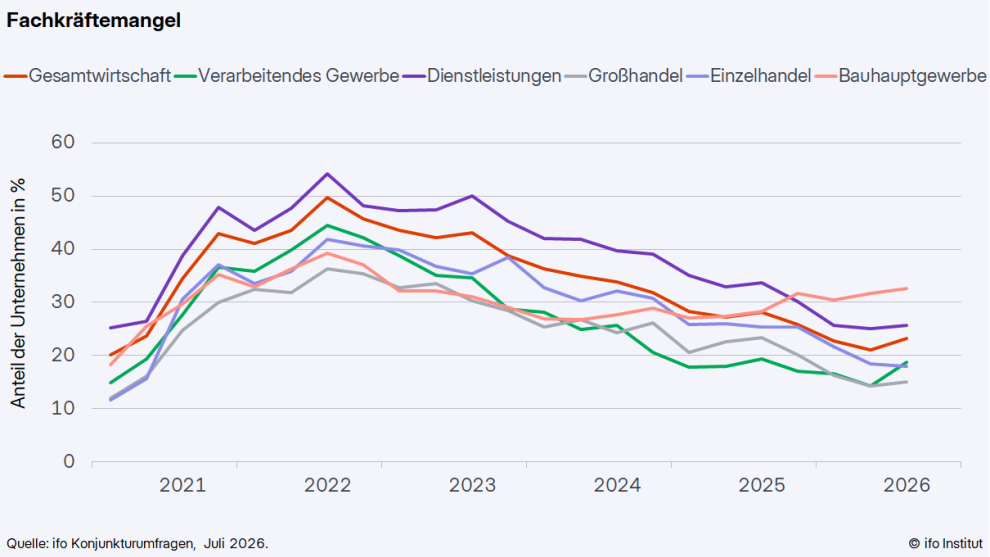
The Wall Street Journal this month noted that over the past 10 years: – The U.S.economy\’s output of goods and services has expanded 19%. – Nonfinancial corporate profits have risen 85%. – The labor force has grown by 10.1 million. – But the number of private-sector jobs has fallen by nearly two million. – And the percentage of American adults at work has dropped to 58.2%, a low not seen since 1983. They ask what\’s wrong. First, the economy is growing too slowly. Construction and small businesses were crippled by the credit crisis and have not yet recovered. And small manufacturers are often the driver of innovation. Another factor cited by the WSJ is a phenomenon called \’structural cost reduction\‘ or \’flexibility\‘ or what Northwestern University economist Robert Gordon calls the rise of \’the disposable worker\‘. That leads to an analysis of corporations reported on the Business Insider blog (www.businessindider.com). Economist William Lazonick says the problem is due to economic forces that now see extracting value from assets dominating forces for creating value. \“In the process, industrial innovation – the generation of higher quality, lower cost products that provide the foundation for economic growth – is suffering from neglect.\“ Many U.S.leaders, both public and private, do not believe in the value of people, it seems. My take is that a society does not become prosperous without a solid base of productive work. It must come from creating products. The important industries are agriculture, mining, oil extraction and manufacturing. Unless we invest in people and infrastructure, society will suffer. Manufacturing leaders in the United States know that and would rather the government establish a sound manufacturing policy rather than play politics with the debt. National Instruments, the Austin, Texas instrumentation and automation supplier, is one company that does not seem to be affected by the general economy. 3,300 attendees greeted James Truchard, Ph.D., known as \’Dr. T\‘ and who is President and CEO of National Instruments, as he opened the 17th NI Week in Austin, Texas. A series of keynoters addressed the many new products introduced to applause of the appreciative crowd of customers. NIs signature product is LabView, which is celebrating its 25th anniversary this year. At that age, NI feels it has accomplished its original goal to do for scientists and engineers what the spreadsheet did for financial analysts. The next 25 years will see LabView expanding into system design according to executives. Once again during the event, NI celebrated the achievements of high school and university students who have worked on some remarkable engineering projects – using LabView, of course. A few other bits of information gleaned from NI Week interviews included the fact that NI had 1,300 net new hires in the past year. It is investing $200 million in research and development.
Manufacturing Connection