Ironically, the free time Americans once had that helped boost RadioShack\’s fortunes in the \’60s, \’70s and \’80s were eliminated, in part, by the very technologies it helped create. The article notes how Apple\’s Steve Wozniak relied on RadioShack for parts when he was developing what eventually became the first Apple computers, and how Microsoft\’s Bill Gates wrote the operating system for RadioShack\’s TRS-80 computer. So what does this have to do with industrial automation? I sense a shift happening in the automation space. That shift, though clearly not leading away from innovation, seems to represent something of a slowing in the near constant stream of new product introductions across the board. This slowing does not portend a slowdown of the automation industry, but rather a shift toward a greater focus on the application of technologies via Industry 4.0 and the Internet of Things (IoT). Having covered the industrial technology space for more than two decades now, I get the sense that these two initiatives – Industry 4.0 and IoT – are forcing the real-world application of technologies the automation industry has been promoting for years. In fact, one of the reasons I believe IoT has generated so much interest is that it\’s more about implementing sensor, communication/networking, safety and associated digital production systems in an interoperable fashion than it is about any entirely new technology. One of the knocks on the industrial technology sector has always been that, for all the wonderful talk about cutting-edge hardware and software automation technologies, many manufacturers still use in-house designed Excel worksheets and other simple tools to manage production as much, if not more, than they use advanced automation technologies. You can argue that this increased focus on application is ultimately being driven by government initiatives such as Industry 4.0 and the push toward IoT by the biggest technology players – and you\’d be right. But the result is, nonetheless, a greater focus on the application of technologies rather than the perpetual innovation of them as the principal focus of automation companies in general. Make no mistake, innovation in the industrial sector will not cease or be relegated to the backseat. However, I do believe it will begin to stand on a more equal footing with real-world implementations and results. Just last month, while attending the ARC Industry Forum in Orlando, I saw evidence of several innovative technologies, most notably the new automation products from Bedrock Automation (see \’Industrial Control Redesigned\‘, awgo.to that demonstrate innovation is alive and well in the automation sector. But as interesting as any new technology may be, the real test of its viability lies in its application – and not in a few instances, but widely. As for how this relates to The Wall Street Journal\’s RadioShack article, I think that, just as the tech industry developments fostered by RadioShack spelled its demise, the automation industry is wise to avoid any possibility of a potential downturn by focusing on application and, as a result, keeping in close contact with what matters most to its customers. As Peter Holicki, corporate vice president at Dow Chemical, stated in his keynote at the ARC Forum, the only technology applications he\’d ever seen succeed were those in which the technology was clearly aligned with the business strategy. Building off of Holicki\’s statement, the lesson from RadioShack could well be that the law of unintended consequences can create an outcome for your business that is likely to be quite different from anything you could possibly envision. Since no one has a crystal ball, all anyone can do is focus on what matters. And successful applications are what matters to the automation technology industry.
Application vs. Innovation
-
Spürbarer Dämpfer in den Bestellungen
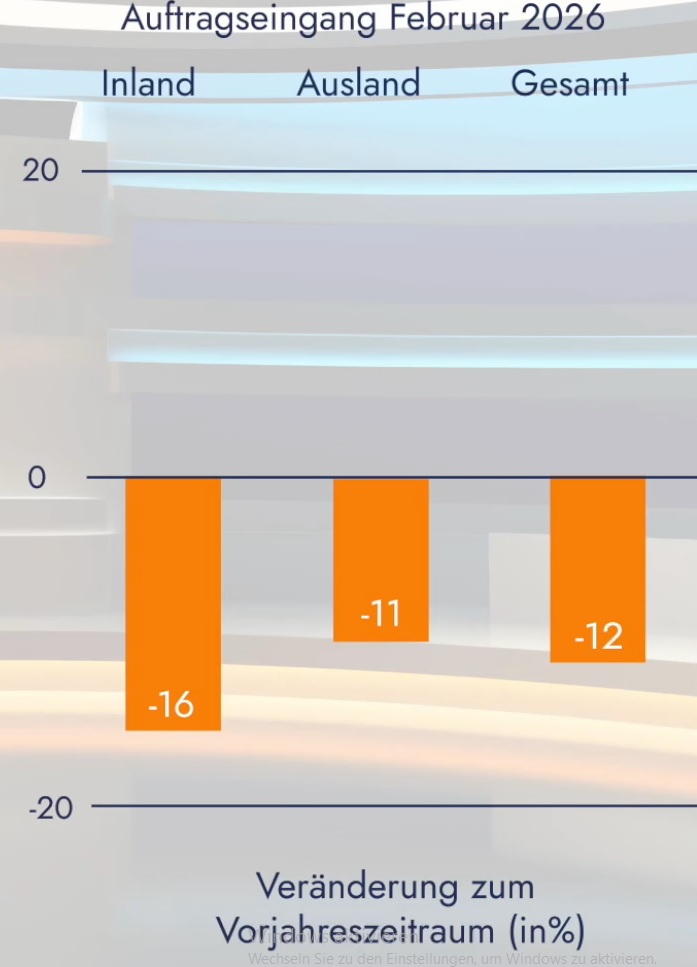
Maschinenbau-Auftragseingang im Februar
Der Auftragseingang im Maschinenbau ist im Februar abermals gesunken und die Stimmung der Unternehmen trübt sich ein.
-
Für die DACH-Region
Schneider Electric: Neuer Vice President Secure Power
Schneider Electric hat Marco Geiser zum neuen Vice President Secure Power DACH ernannt.
-
Yaskawa strukturiert Führungsspitze in Europa um
Yaskawa hat eine Neustrukturierung der Geschäftsführung in seiner europäischen Zentrale vorgenommen.
-
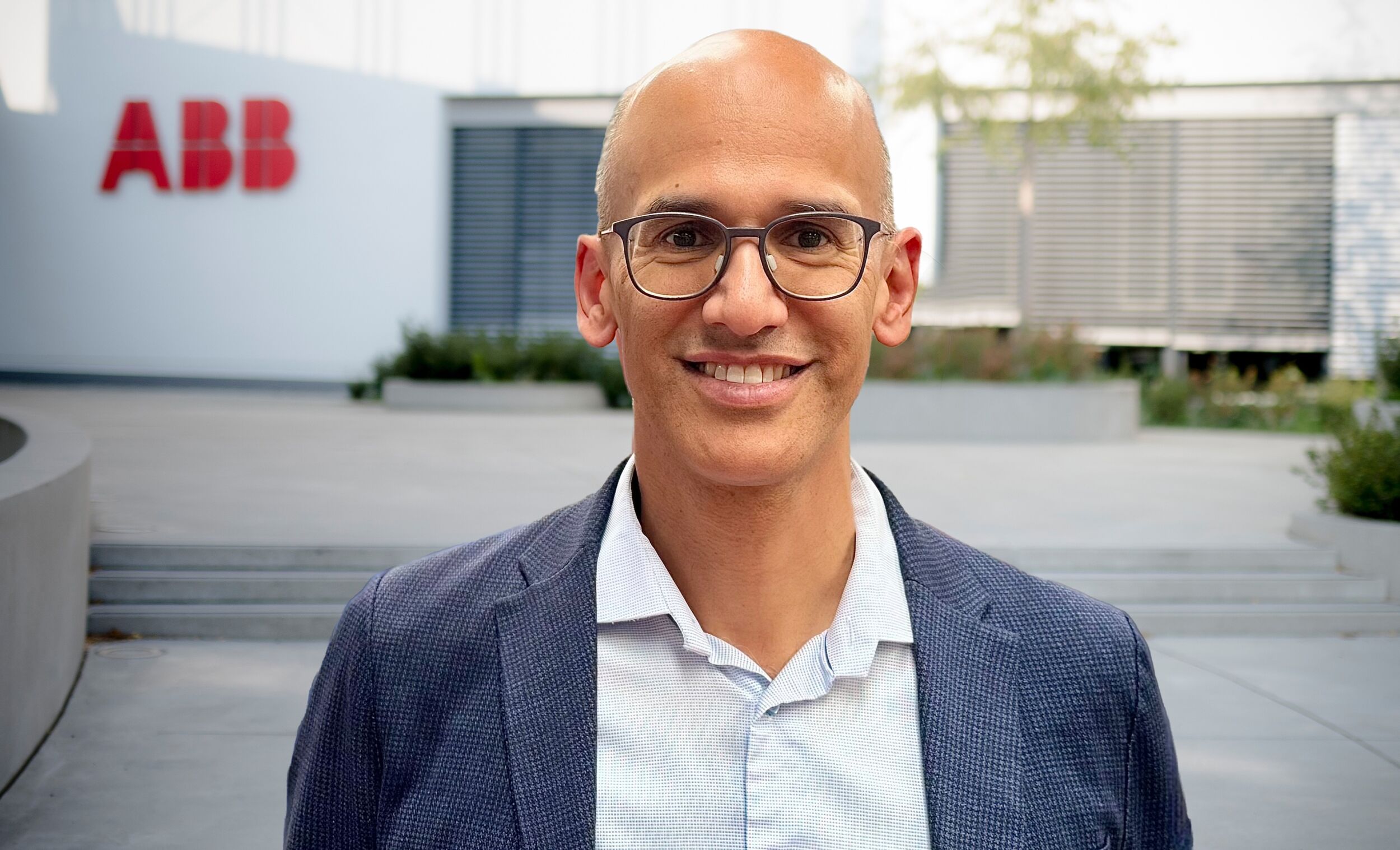
ABB Robotics ernennt neuen Cluster-Manager für DACH-Region
ABB Robotics hat Marc-Oliver Nandy zum Cluster-Manager für die DACH-Region ernannt.
-
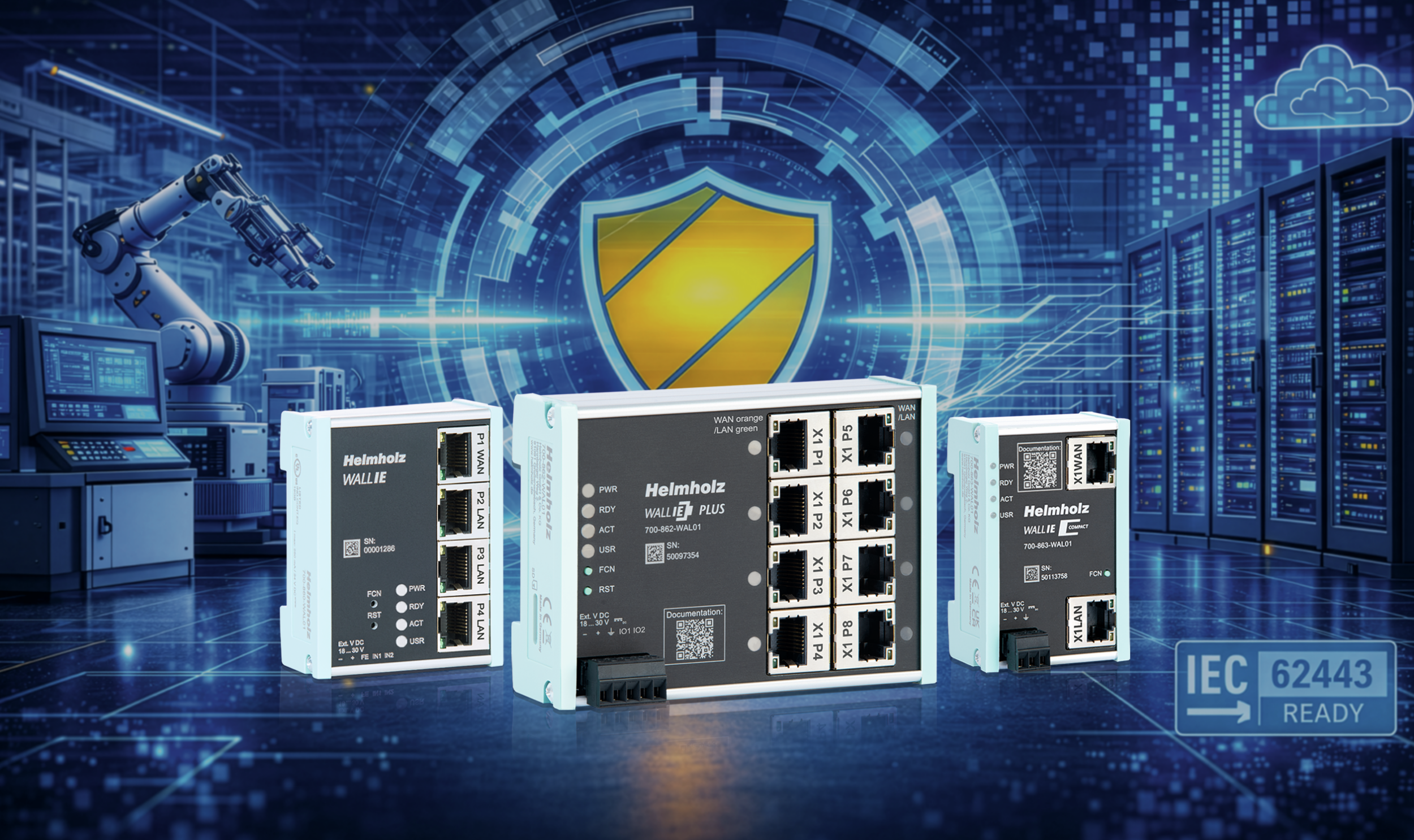
Für sichere Maschinennetzwerke
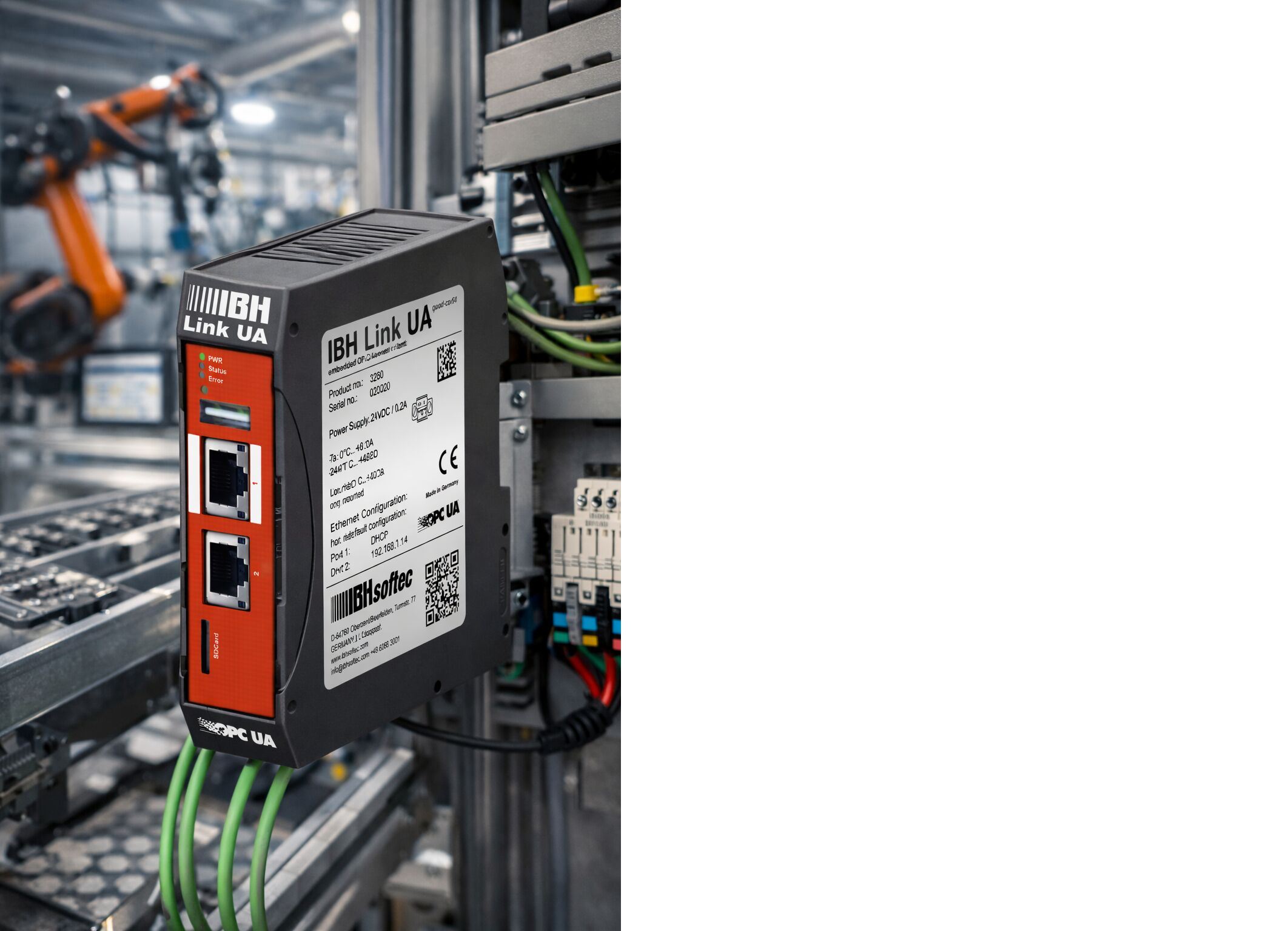
Industrial Security-Gateway und Maschinenfirewall
Sichere Maschinennetzwerke werden mit den aktuellen Vorgaben der Europäischen Maschinenverordnung und der IEC62443 für jeden Pflicht, der Maschinen in Verkehr bringt.
-
Für datenintensive Industrieumgebungen
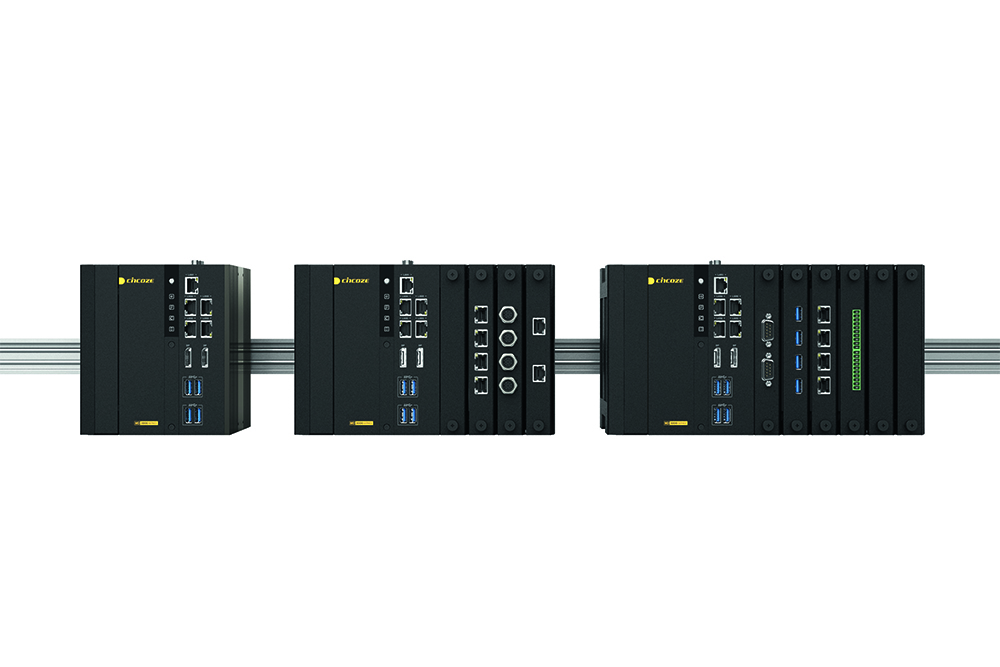
1HE-Rack-PC
Für PXI-Testsysteme, Echtzeitanwendungen und die Industrieautomation sind hohe Datenraten, geringe Latenzen und flexible…
-
Mit integrierter Sicherheitstechnik
MDR-Controller für die Intralogistik
Die IP54-geschützten MDR-Controller EP741x von Beckhoff sind je nach Bedarf mit und ohne…
-
Lebensmittelkonformer Oberflächenschutz
Aluminium-Antriebe
Mit NXD Tuph von Nord Drivesystems können Anwender auch in hygienesensiblen Applikationen von…
-
Seit März
Hannover Messe erhält eigenen Geschäftsbereich
Zum 1. März hat die Deutsche Messe einen eigenständigen Geschäftsbereich eingerichtet, der sich…
-
Ifo-Konjunkturumfrage
Unternehmen planen mit höheren Preisen
Deutlich mehr Unternehmen in Deutschland planen mit höheren Preisen.
-
Ann Fairchild neue CEO
Siemens USA unter neuer Leitung
Siemens hat Ann Fairchild zur neuen Geschäftsführerin von Siemens USA ernannt.
-
IO-Link Safety: Sicherheit vernetzt im Feld
Die Automation ändert sich rasant – sicherheitstechnische Anforderungen ebenso. Mit IO-Link Safety entsteht…
-
IFR stellt Preisträgerinnen vor
Women in Robotics 2026
Um Frauen in der Robotikbranche mehr Sichtbarkeit und Anerkennung zu verschaffen, hat die…
-
Gemeinsam zum vollständig integrierten Automatisierungs-Stack
Salz Automation und Tele vereinbaren Partnerschaft
Salz Automation und Tele Haase Steuergeräte gehen in ihrer Partnerschaft einen entscheidenden Schritt…
-
3D-Druck
Harting eröffnet Zentrum für 3D-Druck
Harting hat in seinem Werk Rahden ein „Center of Competence Additive Manufacturing“ eröffnet.
-
Mikko Soirola
Neuer CEO für Elisa Industriq
Mikko Soirola startet als neuer CEO bei Elisa Industriq.
-
Drehkreuz in Südamerika
Wika eröffnet neues Werk in Brasilien
Wika hat Mitte März ein neues Werk am Standort Boituva in Brasilien eröffnet.
-
Feldbuskoppler
Feldbus und Anzeige konsequent integriert
In Profinet-basierten Anlagen übernimmt das PN220 von Motrona die Funktion eines Feldbuskopplers und…
-
Dank Binnenmarkt
Deutsche Elektroexporte mit Plus auch zum Jahresbeginn
Auch zum Beginn des Jahres 2026 verzeichnete die deutsche Elektroindustrie ein Exportplus: Im…
-
93% verlagern KI zunehmend auf lokale Server
In den letzten zwei Jahren haben 93% befragter Unternehmen einige KI-Workloads zurück auf…
-
Erster Bauabschnitt eingeweiht
Neues Werk in Mexiko für Phoenix Contact
Phoenix Contact hat sein Produktionsnetzwerk auf dem amerikanischen Kontinent ausgebaut. In einem ersten…
-
Festo, Schaeffler und Ziehl-Abegg
Nominierte für Hermes Award stehen fest
Eine unabhängige Jury hat unter den zahlreichen Einreichungen drei Unternehmen für den Hermes…
-
Professor Dr. Jörn Müller-Quade
Wibu-Systems beruft Kryptografie-Experten in Aufsichtsrat
Wibu-Systems hat Professor Dr. Jörn Müller-Quade in den Aufsichtsrat berufen.
das könnte sie auch interessieren
-
Neue Bremssättel für Scheibenbremsen
Elektromagnetische Lüftung für hohe Stundenliestung
-
Scada-Plattform Atvise mit Updates
Mehr Sicherheit und Kompatibilität für Scada-Systeme
-
Beckhoff verbindet Sprachmodelle mit Echtzeitsteuerung
Physical AI: Wenn KI direkt Maschinen steuert“
-
Vorschau Hannover Messe 2026
KI als produktive Kraft in der Fabrik